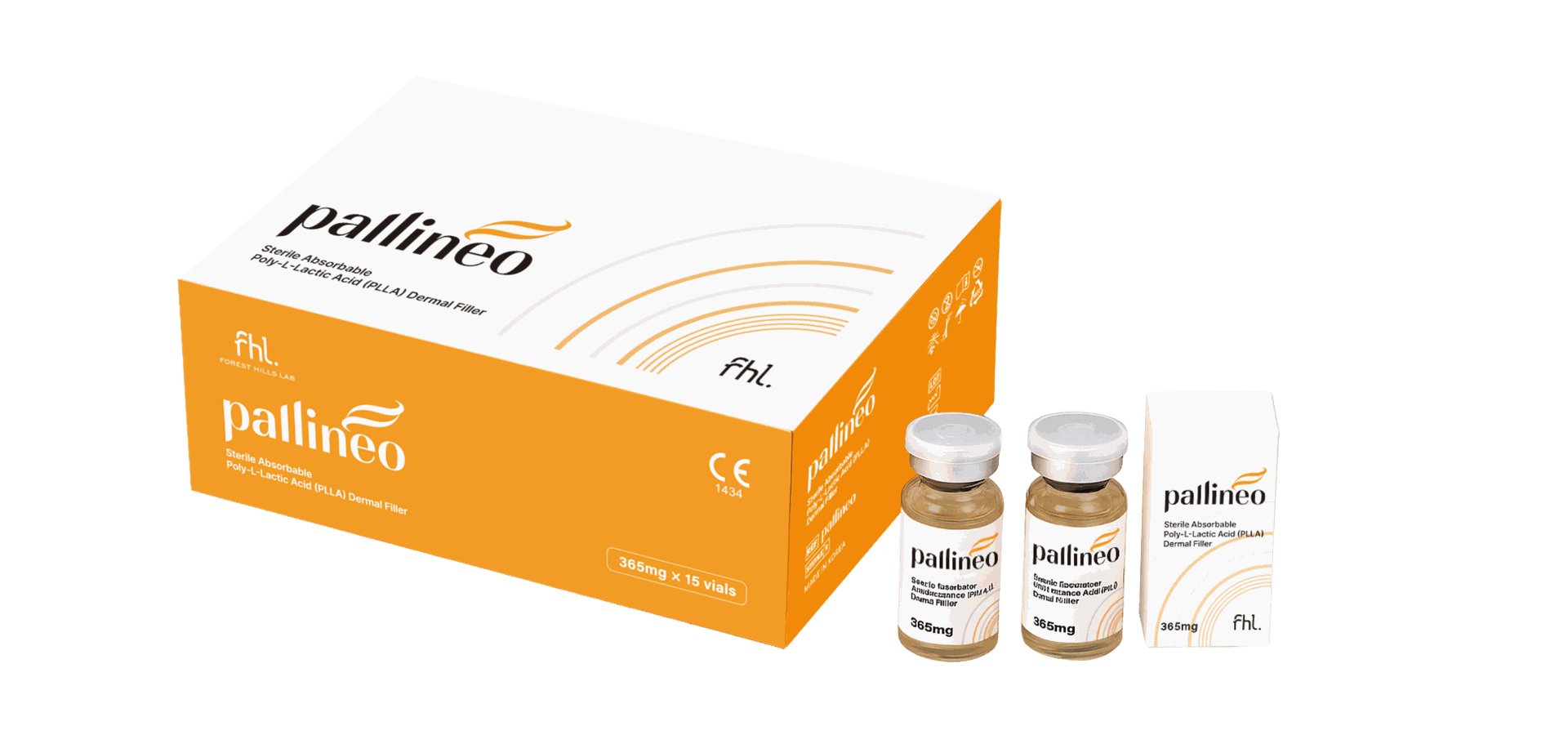
PLLA
Sterile Absorbable Poly-L-Lactic Acid
What is Collagen?
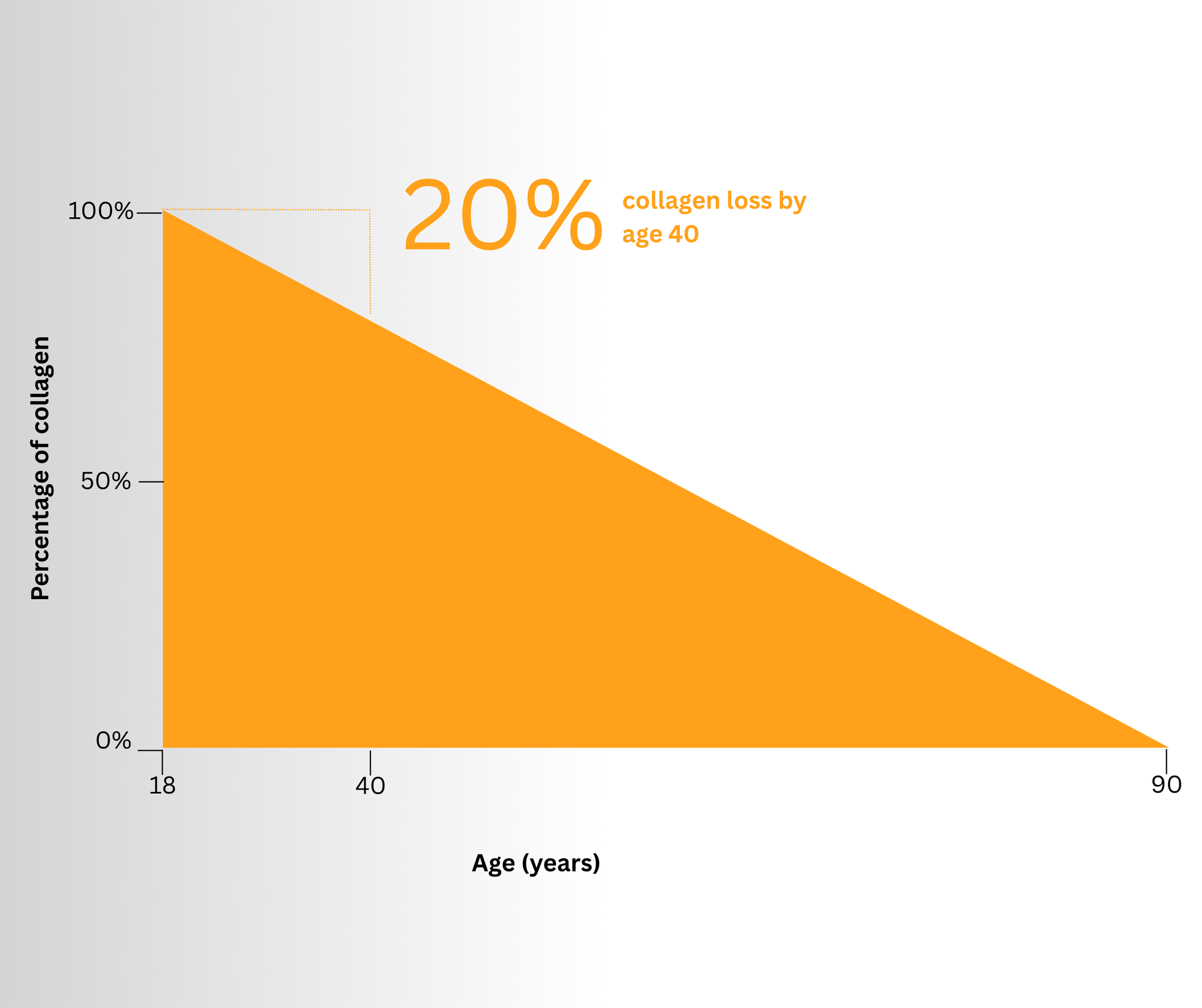
Collagen is a skin fibre that helps maintain your skin’s shape and structure.1-3 When collagen is lost, the skin starts to show signs of aging such as sagging, lines, and wrinkles. Starting from age 20, the skin loses about 1% of collagen each year. By age 40, most of us have lost up to 20% of our natural collagen.4
Pallineo helps stimulate your own skin’s natural collagen production.5,6 Pallineo’s poly-L-lactic acid (PLLA) particles are absorbed by your skin over time, providing long-lasting collagen regeneration for up to 24 months that may lead to a more youthful looking appearance semi-permanently.5
Mechanism of Action
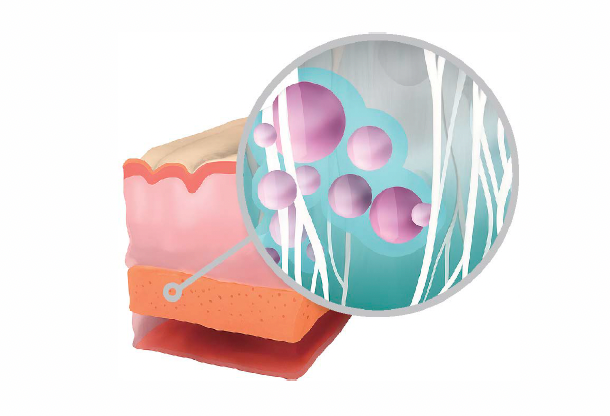
Pallineo stimulates the natural production of collagen, correcting wrinkles, volume defects, and facial fat atrophy.5,6 When injected into the skin, Pallineo particles activate the skin's foreign body response, recruiting fibroblasts to boost collagen and elastin formation and promote angiogenesis (blood flow to the skin).7
Formulated with poly-L-lactic acid (PLLA), Pallineo gradually degrades into harmless lactic acid monomers that reabsorb into the skin to provide long-lasting biostimulating effects for up to 24 months.
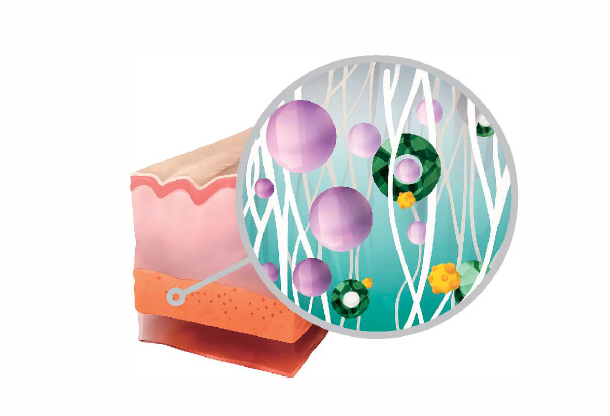
- Pallineo works deep under the skin. PLLA particles are injected into the deep dermis or subcutaneous layer to restore the skin’s inner structure.5,7
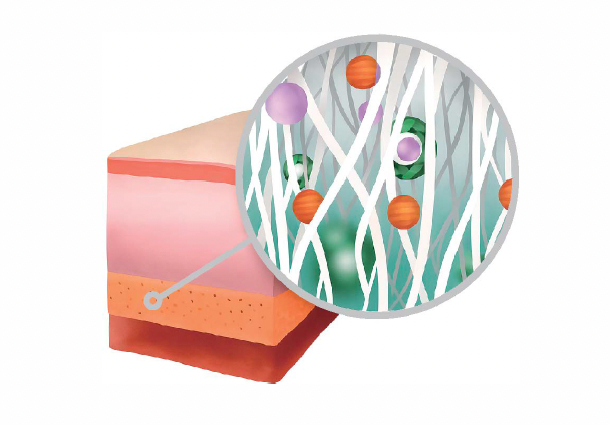
- As Pallineo microparticles are absorbed, they activate the skin’s foreign body response, recruiting fibroblasts locally to stimulate and restore natural collagen production.7
- Recruited fibroblasts deposit collagen, rebuilding and providing structure to the skin to reduce the appearance of wrinkles and folds.5,7
References:
- Shin J-W, Kwon S-H, Choi J-Y, et al. Molecular mechanisms of dermal aging and antiaging approaches. Int J Mol Sci. 2019;20(9):2126.
- Vleggaar D, Fitzgerald R. Dermatological implications of skeletal aging: a focus on supraperiosteal volumization for perioral rejuvenation. J Drugs Dermatol. 2008;7(3):209-220.
- Oikarinen A. Aging of the skin connective tissue: how to measure the biochemical and mechanical properties of aging dermis. Photodermatol photoimmunol photomed. 1994;10(2):47-52.
- Shuster S, Black MM, McVitie E. The influence of age and sex on skin thickness, skin collagen and density. Br J Dermatol. 1975;93(6):639-643.
- Pallineo clinical trial data report. Data on file. Forest Hills Lab 2021
- Pallineo. Instructions for Use. Forest Hills Labs, 2024
- Oh, S., Lee, J. H., Kim, H. M., Batsukh, S., Sung, M. J., Lim, T. H., Lee, M. H., Son, K. H., & Byun, K. (2023). Poly-L-Lactic Acid Fillers Improved Dermal Collagen Synthesis by Modulating M2 Macrophage Polarization in Aged Animal Skin. Cells, 12(9), 1320.
1
Pallineo particles are injected into the deep dermis or subcutaneous layer.
2
Pallineo particles activate the skin's foreign body response, recruiting fibroblasts locally.
3
Recruited fibroblasts deposit collagen, providing structure to the skin.
PLLA
- Regular Structure – Even degradation through the entire structure, maintaining particle shape.
- Higher G’ – Greater immediate volumizing effect and structural support.
- Slower Degradation – Provides longer-lasting collagen stimulation.1
- Lower Pro-Inflammatory Response – Fewer side effects such as itching, swelling and redness.2
Others (PDLLA)
- Irregular Structure – Uneven degradation with areas of over / under stimulation and volume.
- Lower G’ – Lower immediate volumizing effects and structural support.
- Faster Degradation – Uneven structure provides shorter duration of effect.
- Higher Pro-Inflammatory Response – Greater risk of side-effects.
Treatment Intervals
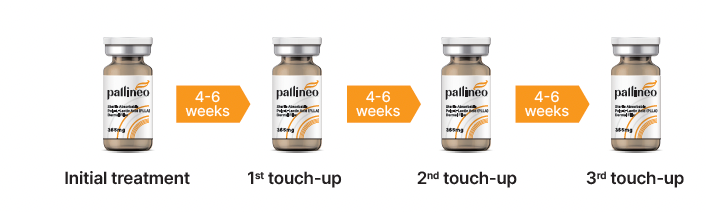
After the initial treatment, up to 3 touch-ups at 4-6 week intervals may be administered to ensure optimum results. Results last up to 24 months after the last treatment.
Bulk Erosion vs Surface Erosion
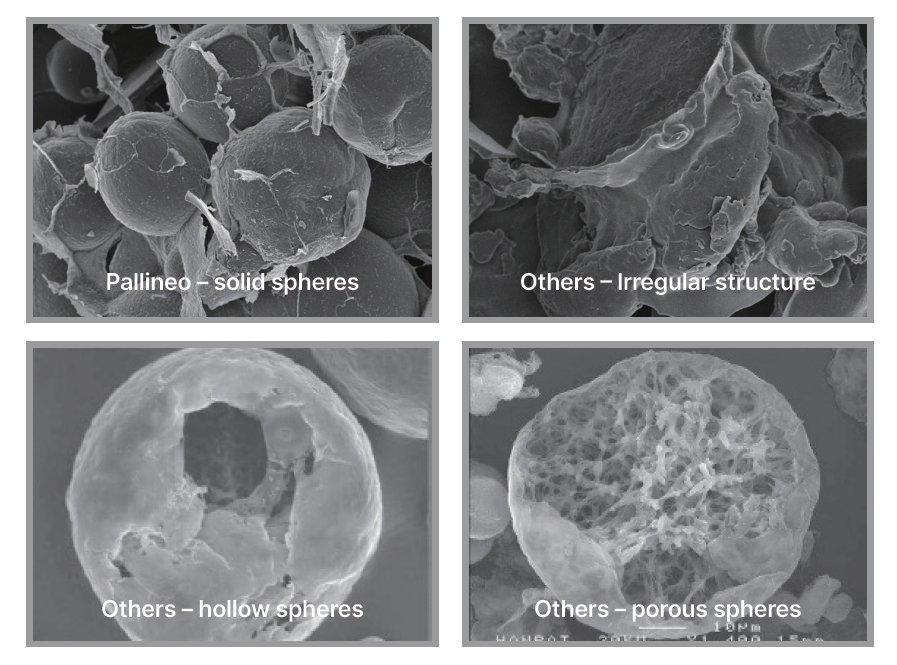
Pallineo particles degrade uniformly, maintaining their shape to scaffold tissue repair and deliver natural results.8
- Solid Polymer Structure - Erodes evenly inside and out for natural-looking, long-lasting results.3
- Slow, Predictable Degradation - Bulk erosion ensures sustained action.3
- Superior Durability - Compared with hollow / porous PDLLA competitors that degrade unevenly and quickly.3
- Perfectly Spherical & Smooth - Even shape minimizes inflammation (reduced IL-1β & TNF activation) vs. r eirgularly shaped competitors.4-5

The Pallineo Advantages:
Proven Effectiveness and Safety
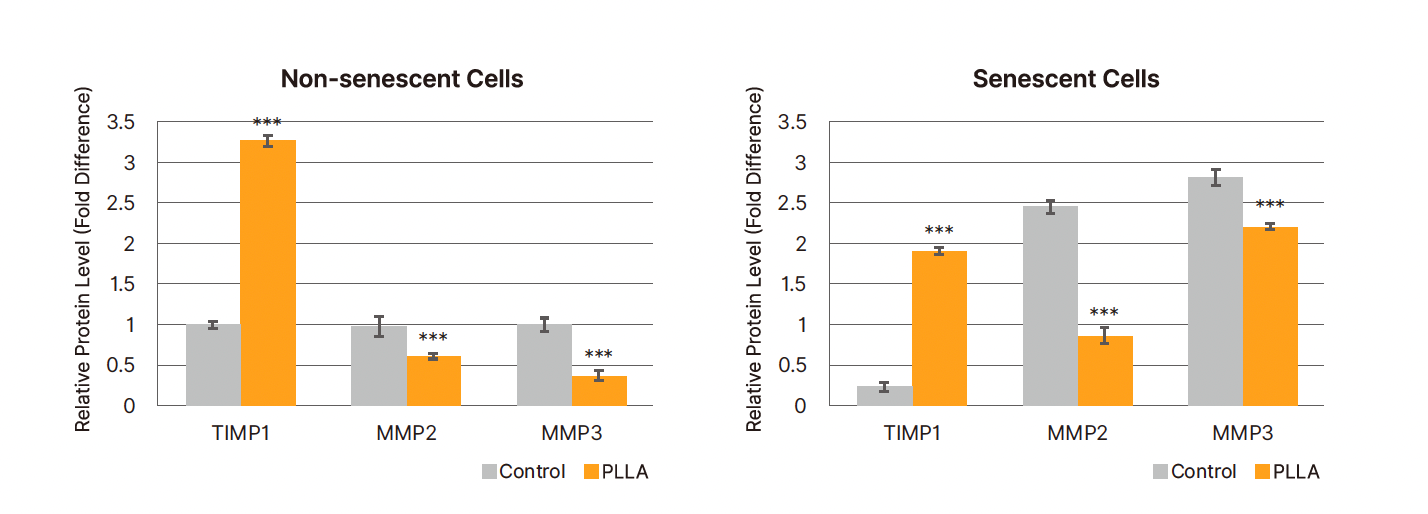
In Vitro Results Show Decreased Collagen Breakdown
PLLA inhibits the breakdown of collagen by up-regulating Tissue Inhibitor of Metalloproteinase-1 (TIMP1) by up to 7-fold (p<0.001) and down-regulating collagenases Matrix Metallo-Proteinase 2 & 3 (MMP2/3) by up to 3-fold (p<0.001) in both new and aging skin cells, decreasing the rate of skin aging, and increasing support for the skin.
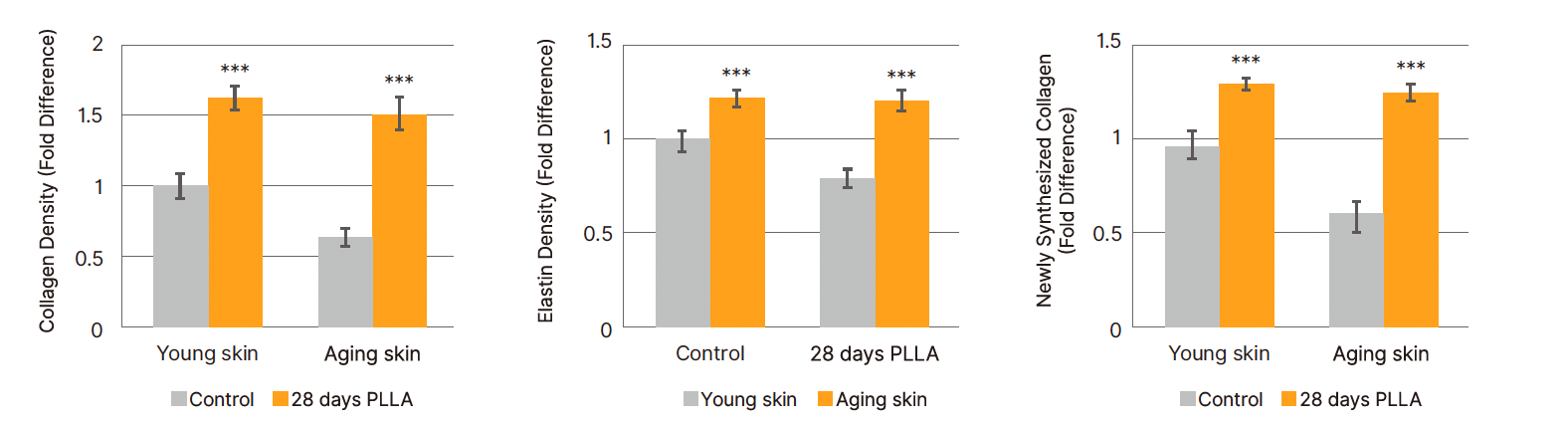
Increases Collagen and Elastin Production
PLLA increases elastin and collagen density, and collagen synthesis in the skin by 1.5 fold (p<0.001) after just 28 days of injection, having equal effects on new and aged skin cells to reverse skin aging.
Clinical Results Patient Outcomes
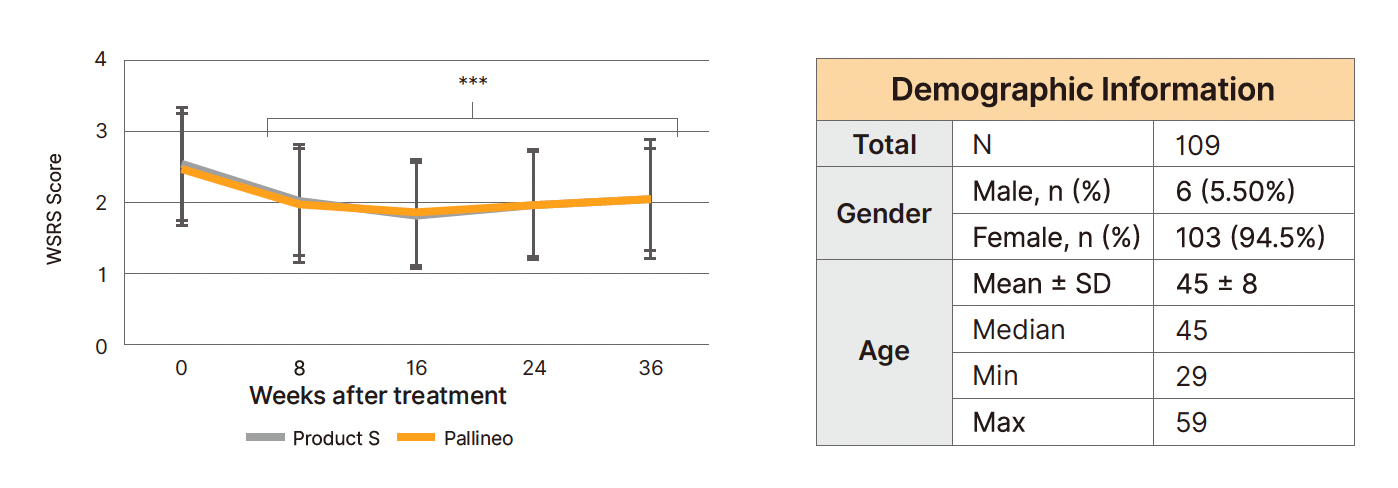
In a clinical study of 109 patients, Pallineo significantly reduced wrinkle severity (p<0.0001) within 8 weeks, with results lasting ≥36 weeks, comparable to other leading products in the market. Pallineo was also well tolerated, matching the safety profile of comparable market leaders. The majority of side effects were mild and 83% of total adverse events recorded were not related to the administration of Pallineo.2
References: 1. Oh, S., Lee, J. H., Kim, H. M., Batsukh, S., Sung, M. J., Lim, T. H., Lee, M. H., Son, K. H., & Byun, K. (2023). Poly-L-Lactic Acid Fillers Improved Dermal Collagen Synthesis by Modulating M2 Macrophage Polarization in Aged Animal Skin. Cells, 12(9), 1320. https://doi.org/10.3390/cells12091320 2. Data on File.